
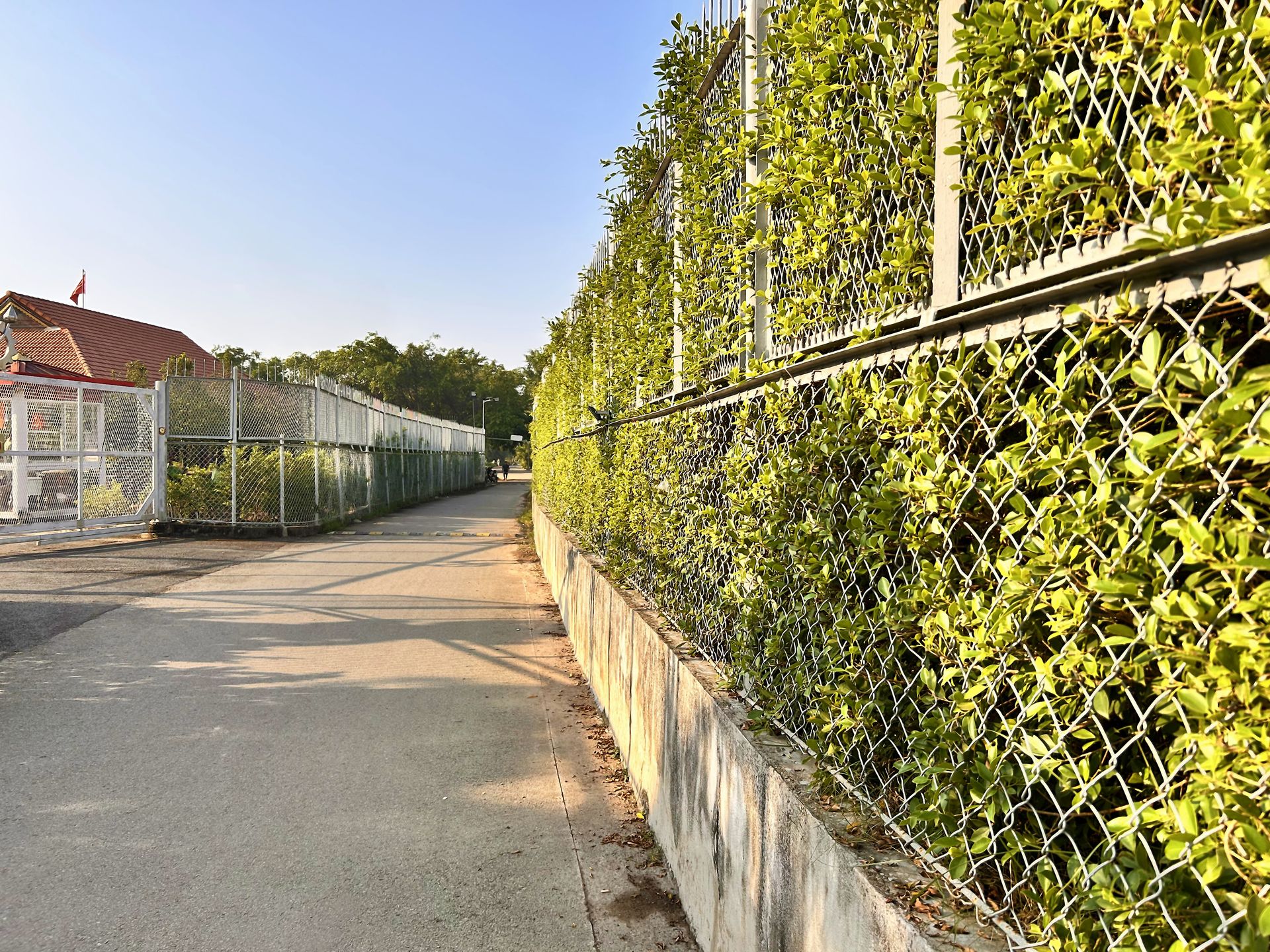
School Security Fencing
Protecting students, staff, and school property with high-quality security fencing designed for Australian educational facilities. Request quotes from local school fencing contractors.
Why Schools Need Security Fencing
Australian schools and educational facilities face unique security challenges. A well-designed security fence creates a clear physical boundary that deters unauthorised access, keeps students safely contained, and provides staff with confidence that the school grounds are secure.
Beyond basic boundary marking, modern school security fencing addresses child safety, property protection, and duty of care obligations. It helps prevent intruders from entering the grounds, stops students from wandering off during school hours, and secures buildings and equipment after hours.
Every educational setting has different requirements. Primary schools need high visibility for supervision, secondary schools may require anti-climb features, and childcare centres demand strict access control. Choosing the right fencing solution is essential for creating a safe learning environment.
Suitable Fencing Types for Schools
Different educational environments call for different fencing solutions. Here are the most suitable types for Australian schools.
Chain Mesh Fencing
A cost-effective and highly visible perimeter solution. Chain mesh allows clear sight lines for supervision while providing a durable barrier. Ideal for primary schools, sporting fields, and general boundary fencing. Available in various heights and mesh gauges.
Palisade Fencing
Heavy-duty steel palisade fencing offers a strong visual deterrent for high schools and university campuses. The pointed pales and robust construction make climbing difficult and signal that the perimeter is well protected. Often specified for external boundaries.
Anti-Climb Fencing
Specialist fencing with narrow mesh apertures that eliminate hand and footholds. Anti-climb fencing is increasingly specified for Australian schools, particularly where there is a known risk of intruders or where students have previously scaled standard fencing.
Security Gates
Manual swing gates or sliding gates for vehicle and pedestrian entry points. Security gates control who enters and leaves the school grounds and can be integrated with intercom systems, keypads, or swipe card access for supervised entry.
Automatic Gates
Automated sliding or swing gates provide convenient, controlled access for school drop-off zones, staff car parks, and delivery areas. Equipped with safety beams, remote controls, and access control integration for smooth daily operation.
Applications Across Educational Settings
Security fencing serves different purposes across the range of Australian educational environments.
Primary Schools
Perimeter fencing that keeps young children safely within school grounds while providing high visibility for supervision. Chain mesh fencing 1.8 m high is a common choice, often with pedestrian gates at controlled entry points.
High Schools
Secondary schools often require higher security levels. Palisade or anti-climb fencing deters both intruders and students attempting to leave grounds. Access control gates manage student entry and visitor access during school hours.
Childcare Centres
Early learning centres require secure, child-safe fencing with self-closing gates and no climbable features. Visibility is important so educators can see children at all times. Pool fencing standards may also apply for centres with water play areas.
University Campuses
Tertiary campuses balance security with an open, welcoming environment. Zoned fencing secures sensitive research buildings, equipment stores, and car parks while maintaining pedestrian flow. Automatic gates with intercoms control vehicle access.
Sporting Fields
School ovals, courts, and sporting grounds need fencing that defines boundaries, keeps balls in play, and secures equipment sheds. High chain mesh fencing around sports fields is common, with taller anti-climb sections where needed.
Key Considerations for School Fencing
Important factors to consider when planning security fencing for educational facilities.
Safety
School fencing must be child-safe with no sharp edges, protruding components, or climbable features. Gates should self-close and self-latch. Australian safety standards and building codes apply to educational facilities.
Visibility
Maintaining clear sight lines is essential for supervising students. Open mesh fencing like chain mesh allows staff to see through the perimeter while still providing a secure boundary. Solid fencing should be reserved for specific privacy areas.
Access Control
Managed entry points are critical. Schools need controlled pedestrian gates for students and visitors, secure vehicle gates for car parks and deliveries, and intercom or keypad systems for after-hours access. Integration with school administration systems is increasingly common.
Durability
School fencing must withstand heavy daily use, weather conditions, and attempted damage. Galvanised or coated steel products offer long-term corrosion resistance. Low maintenance requirements are important for budget-constrained school environments.
Need School Security Fencing?
Tell us about your educational facility and suitable school fencing contractors in your area can provide quotes tailored to your requirements.
Request School Fencing QuotesSchool Security Fencing FAQs
Most Australian schools use fencing between 1.8 m and 2.4 m in height. Primary schools typically use 1.8 m high chain mesh, while high schools and sites with higher security requirements may specify 2.1 m to 2.4 m palisade or anti-climb fencing. The appropriate height depends on the specific risk assessment, age of students, and local council requirements.
Yes, particularly for childcare centres and primary schools. Self-closing and self-latching gates are a key safety requirement to ensure the perimeter remains secure even when someone forgets to close the gate manually. Australian safety standards and many state education regulations mandate self-closing gates on school perimeter fencing.
The cost varies based on the fence type, height, total length, gate requirements, site access, and installation complexity. Chain mesh is generally the most cost-effective option, while palisade and anti-climb fencing are higher. Requesting quotes from local school fencing contractors is the best way to get accurate pricing for your specific educational facility.
Yes, many school fencing installations are completed during term time with careful planning to minimise disruption. Contractors typically work around school hours, use temporary safety barriers, and coordinate with school administration. Major projects are often scheduled during school holidays where possible, but experienced fencing contractors can manage installations safely with students present.